Executive Summary
Microbiome-based therapeutics emerges as a powerful tool for restoring microbial balance and improving health of an individual by using different strategies which collectively aim to reduce inflammation, strengthen barrier function and support optimal immune response. Major techniques such as FMT, next-generation probiotics and targeted microbial engineering are being used to control the microenvironment and improve further treatments. It helps in targeted removal of harmful microbes without affecting the beneficial microbiota and modulate key microbial pathways which can help in progressing the future medicines.
1. Introduction
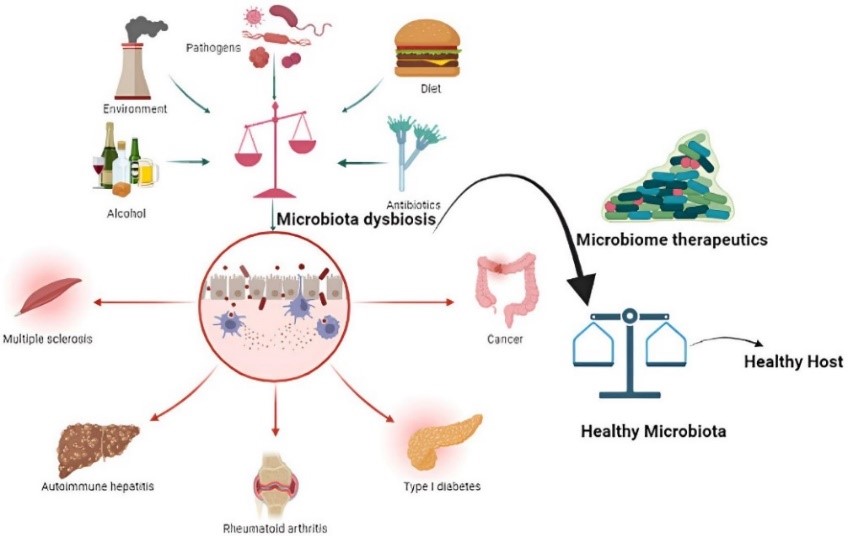
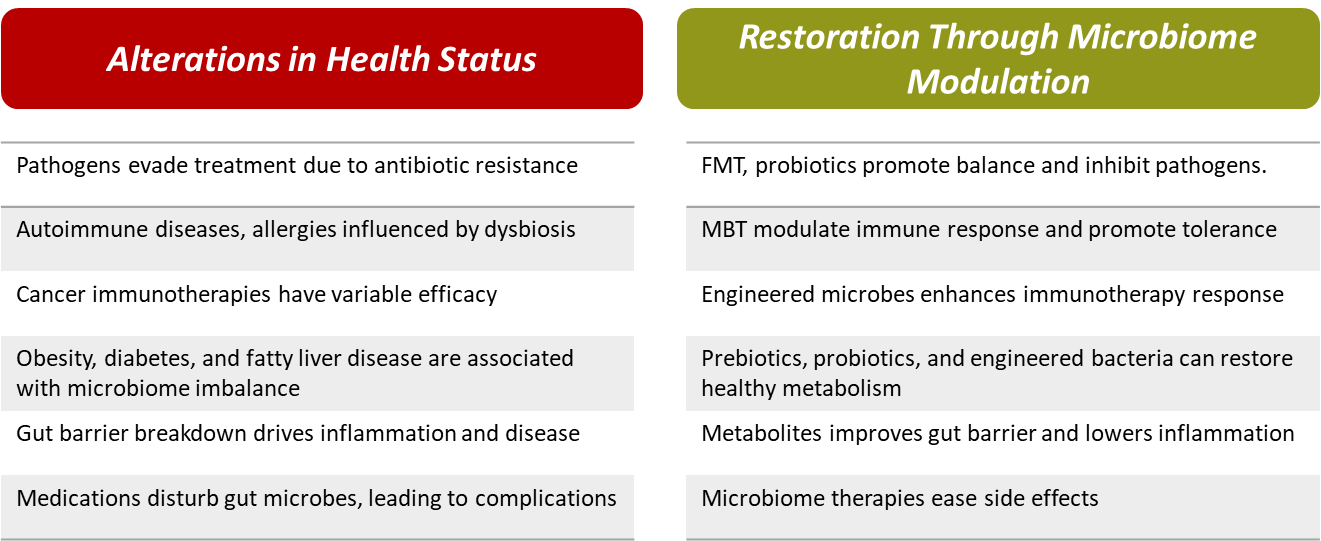
Microbiome based therapy refers to the treatments that aim to modulate the human microbiome. When the microbiome of the human body becomes imbalanced, Dysbiosis occurs which is a condition that contributes to various health conditions like gastrointestinal disorders, metabolic diseases, or autoimmune conditions. There are numerous methods and strategies involved with Microbiome Modulation and many of them are now being utilized to support Biological Process (for instance, gastrointestinal disorders such as C. difficile and IBD as well as Obesity and Aging), Metabolic Disorders (such as Obesity and Diabetes) and Autoimmune Disorders and even Cancer. In some instances, MBT may even be helpful with conventional treatment e.g., Chemotherapy and Immunotherapy where the Microbiome impacts the efficacy of the treatment by affecting the immune response and drug metabolism.
2. Problems in Health Leading to Microbiome-Based Solutions
3. Methods to Introduce Microbiome Therapies
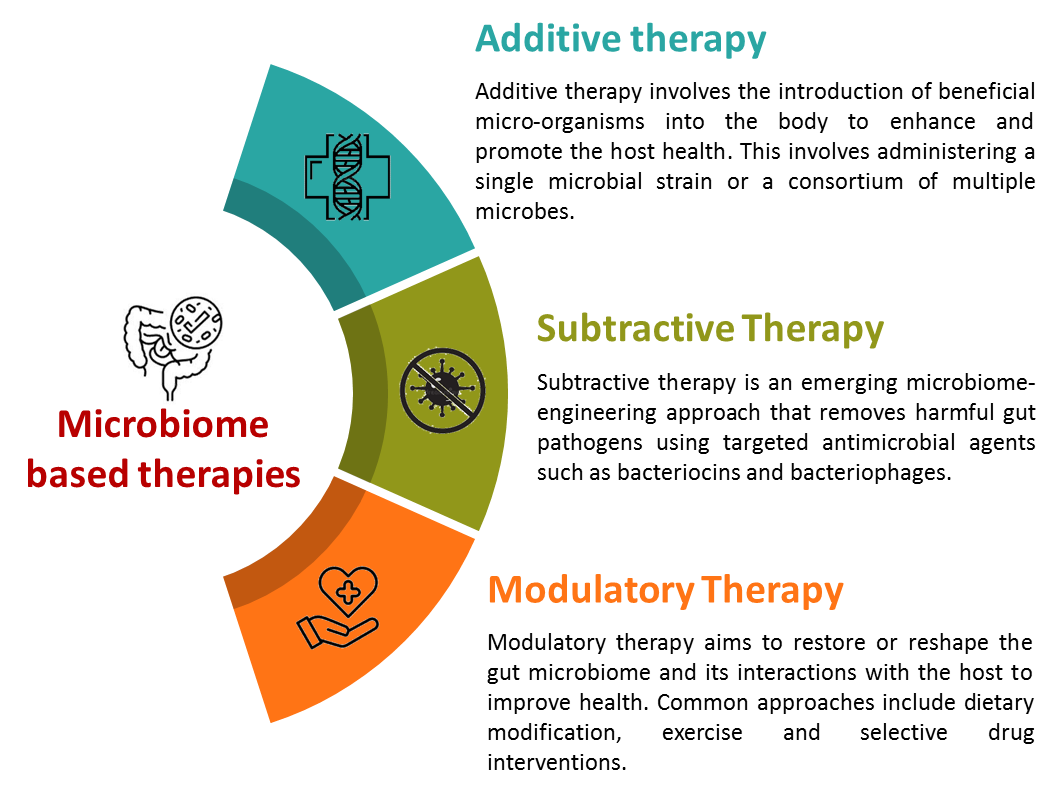
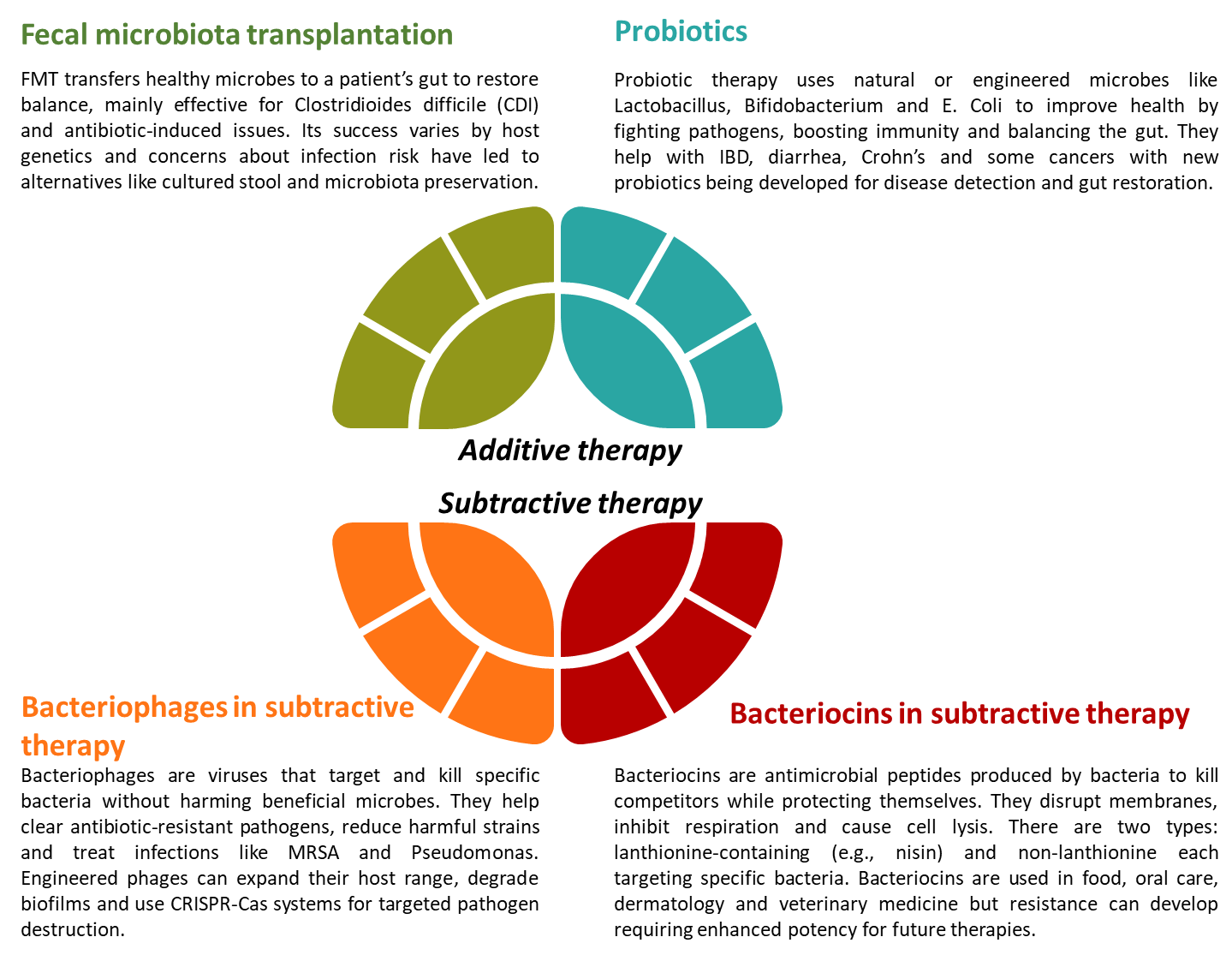
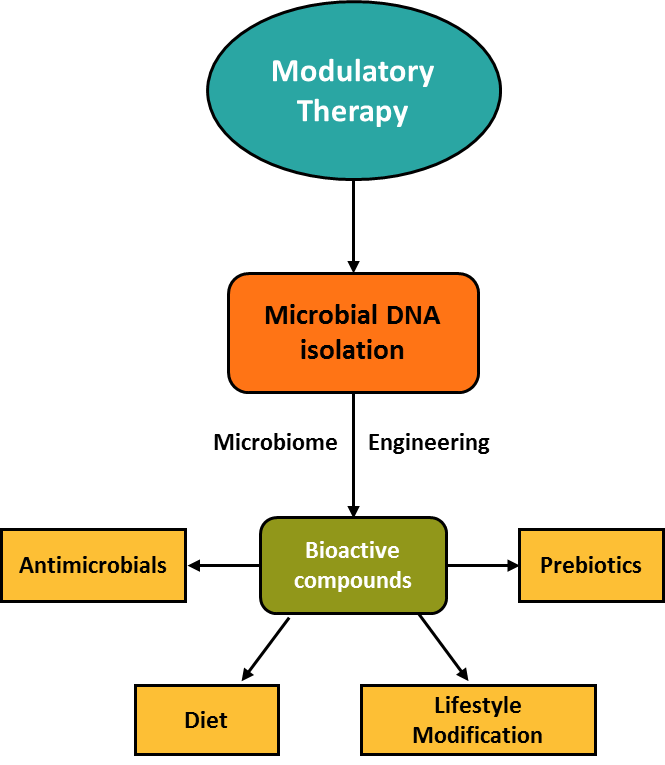
Introducing microbiome therapies includes diverse strategies like additive, subtractive and modulating therapies. Each method involves unique mechanism of action, delivery and clinical applications.
4. Role of the Microbiome in Cancer
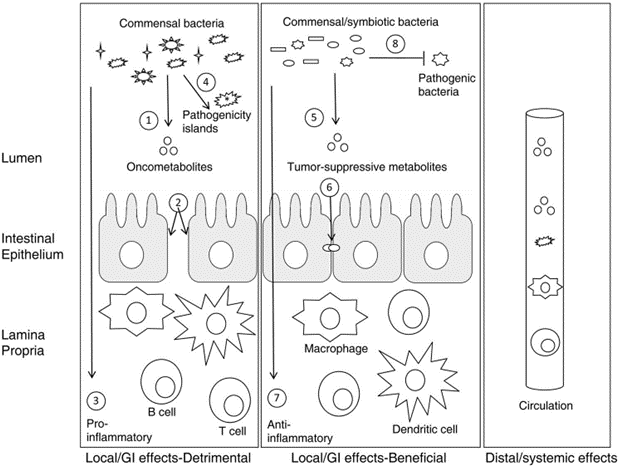
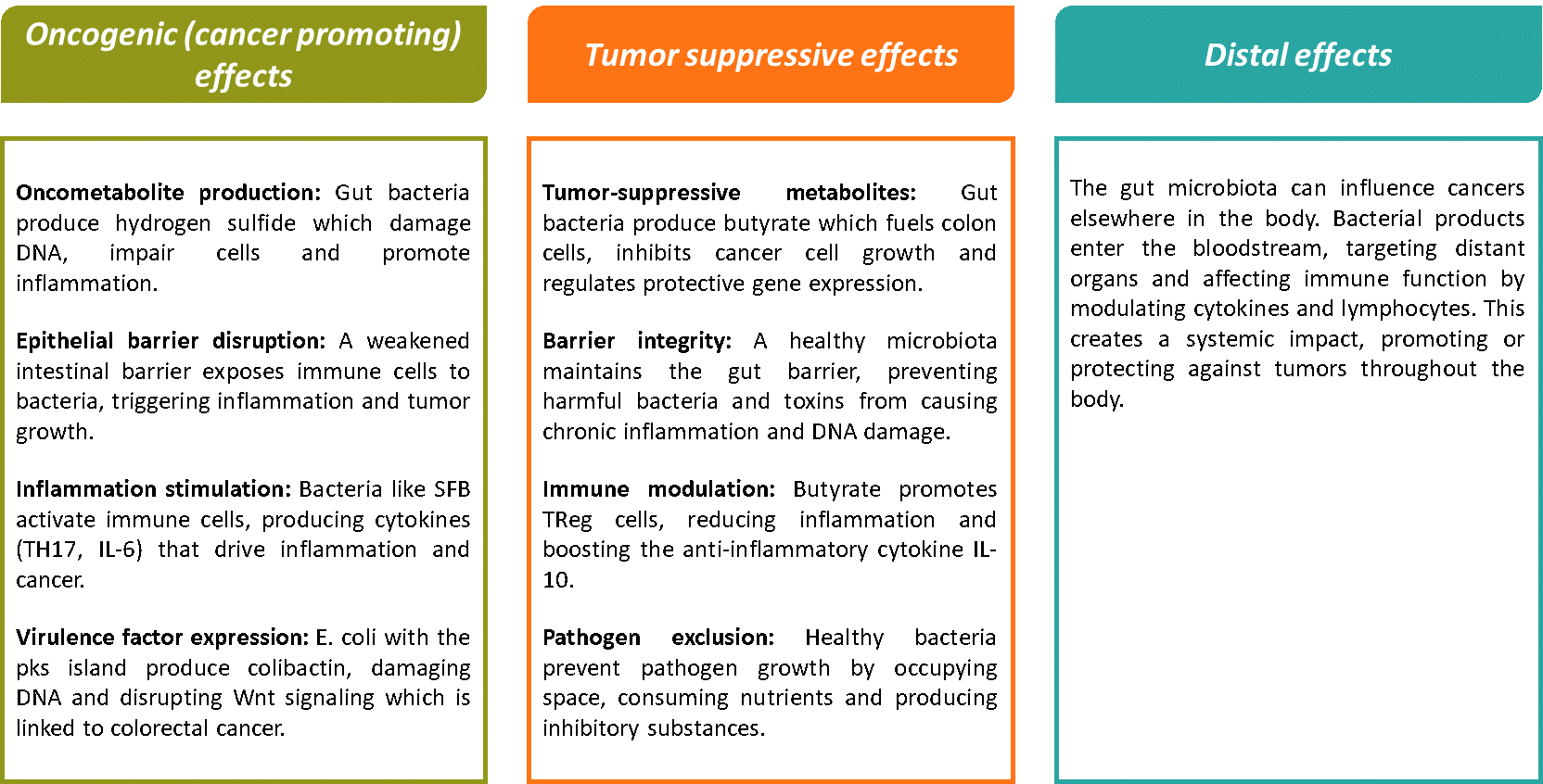
Gut bacteria helps in influencing cancer in three ways i.e., by promoting colorectal cancer, suppressing it or affect cancers at distant body sites through circulating metabolites, immune cells or cytokines.
5. Benefits of Microbiome-Based Therapeutics
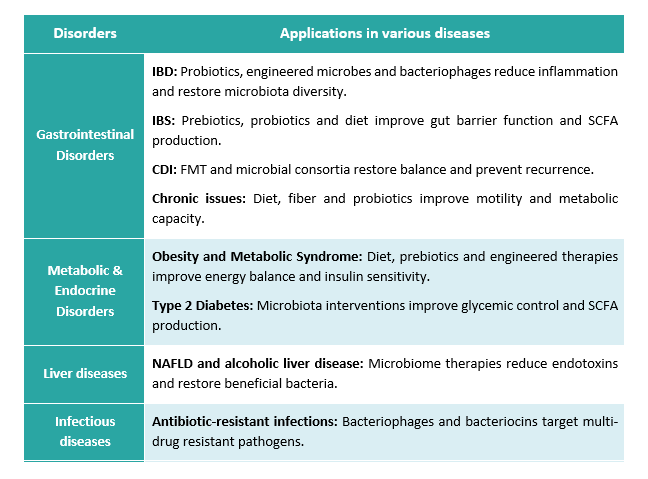
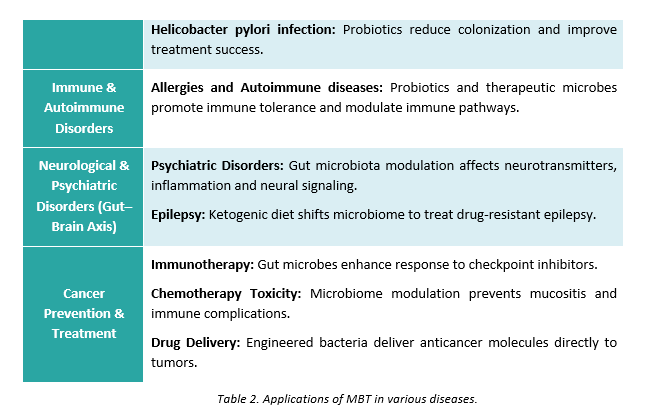
6. Clinical Applications of Microbiome-Based Therapeutics
7. IP Activity in Microbiome-Based Therapeutics
As part of our review of patent activity in microbiome therapy, an IP landscape study was carried out to identify patents related to microbiome-based treatments, particularly those involving FMT. A total of 281 patent families were shortlisted.
7.1 Relevant keywords, synonyms used for search
- Microbiota, Microbiome, Microbial Community, Gut Flora, Microbial Ecosystem, Microbial Flora
- Treatment, Therapy, Therapeutics, Intervention, Diagnosis, Medication, Medicine, Prognosis
- FMT, Fecal Microbiota Transplantation, Faecal Microbiota Transplantation, Fecal Microbiota Transfer, Gut Microbiota Transplantation, Gut Microbiome Transfer, Stool Transplant, Washed Microbiota Transplantation
7.2 Graphical Analysis from the identified patents (1064 patent applications)
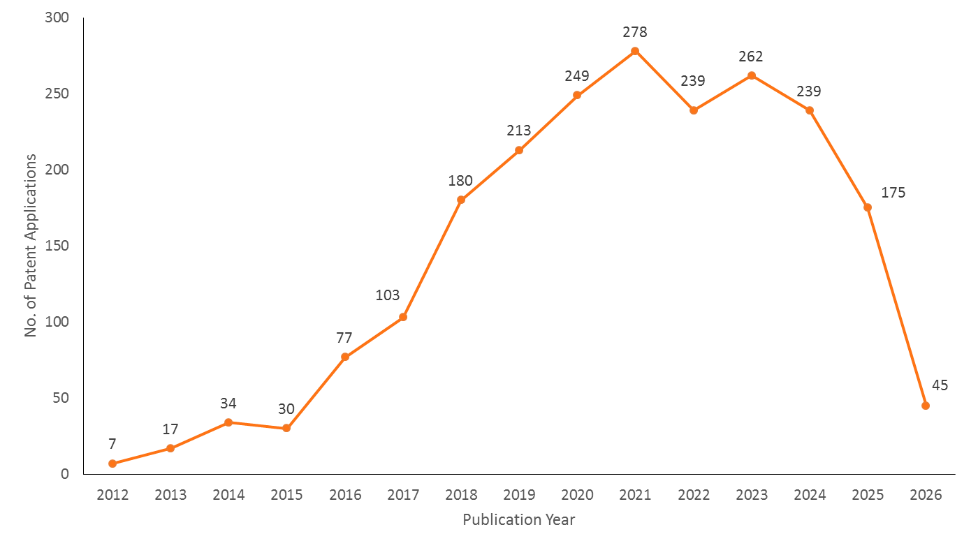
Figure 8 presents data from the past 15 years, with 2021 recording the highest number of patent applications at 278 and 2012 the lowest at 7.
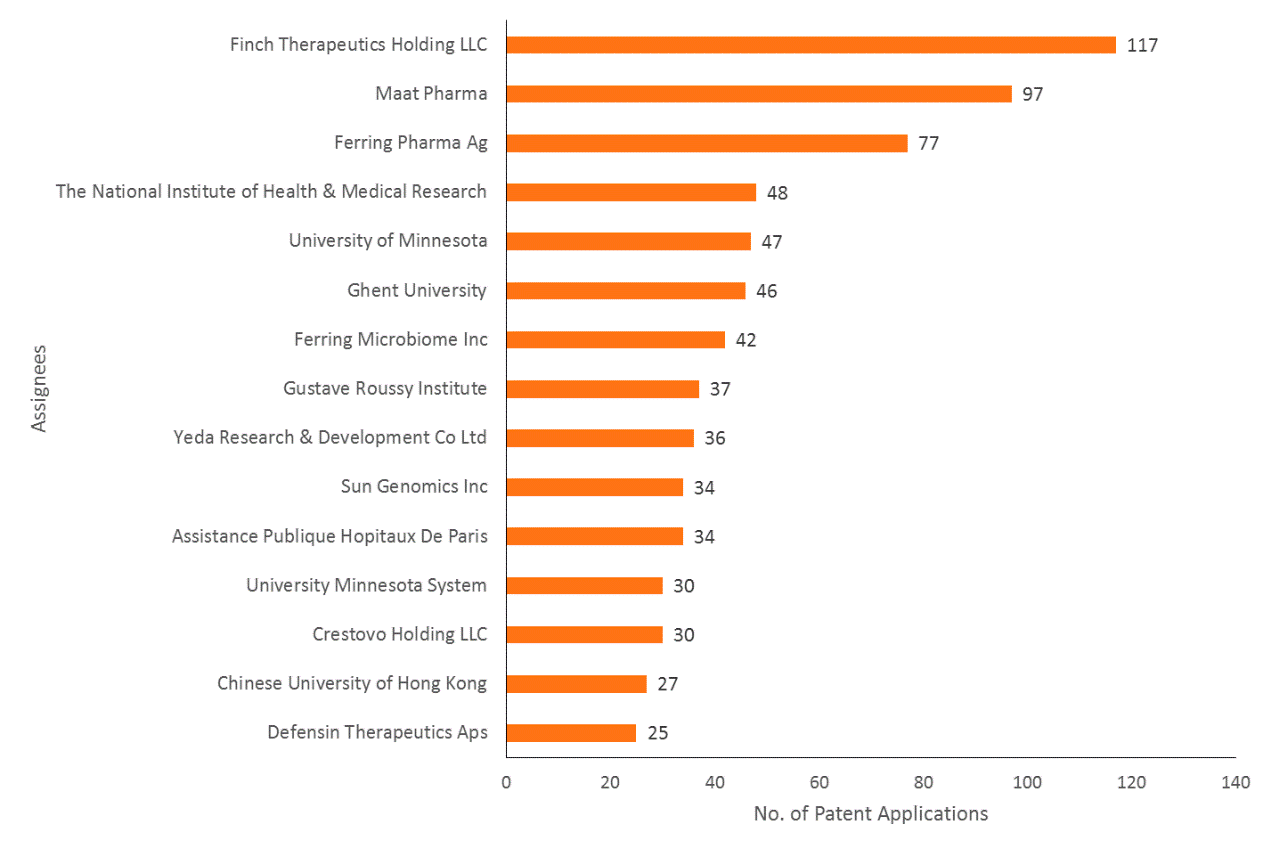
Figure 9 illustrates the leading assignees, with Finch Therapeutics Holding at the forefront having filed 117 patent applications, closely followed by Maat Pharma with 97 applications primarily focusing on Fecal Microbiota Transplantation (FMT).
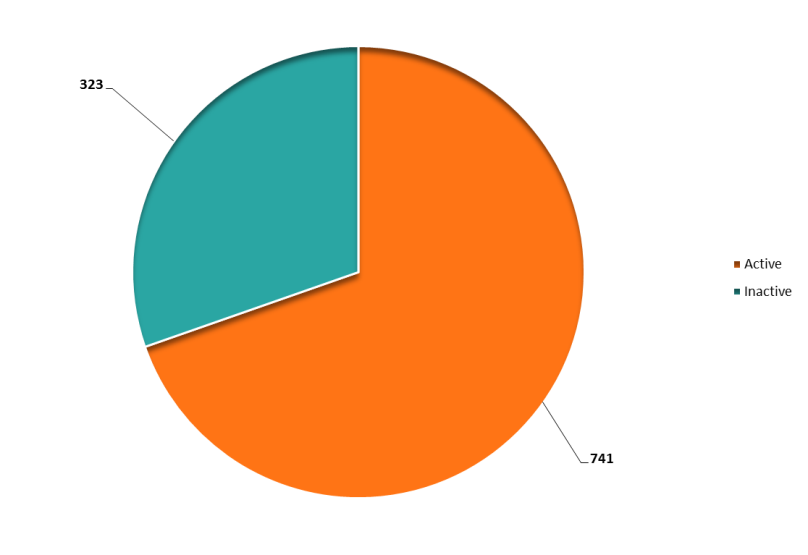
Figure 10 shows a pie chart demonstrating the total number of active and inactive patent applications, with 741 patents categorized as "Active" and 323 as "Inactive".
8. Market and Commercial Outlook
8.1 Distribution across various segments
8.1.1 Type of product
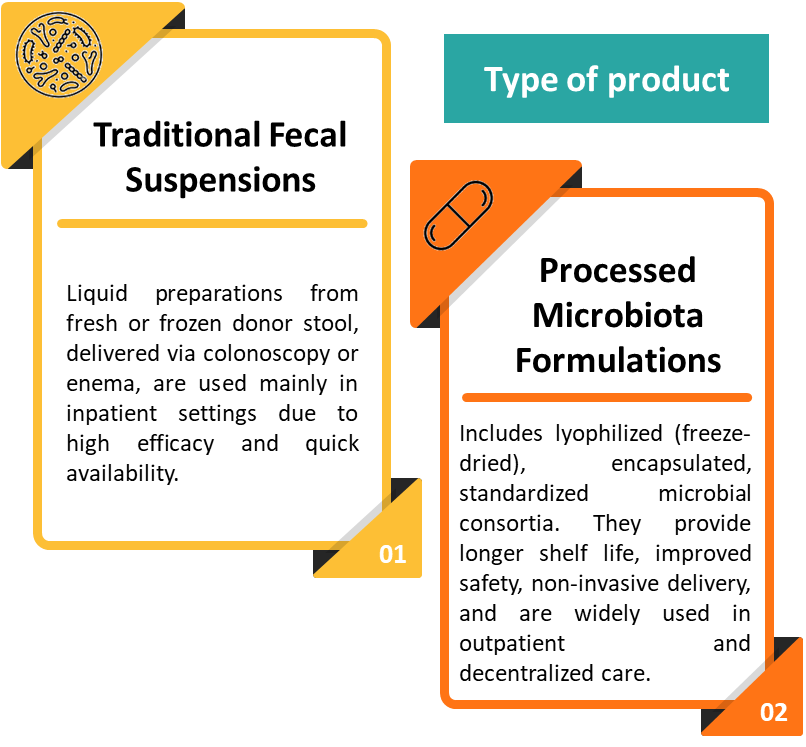
Traditional suspensions account for about 65% of the global market but processed formulations are rapidly growing and are expected to overtake them by 2030 as clearer regulations and patient preference boost adoption.
8.1.2 Route of administration
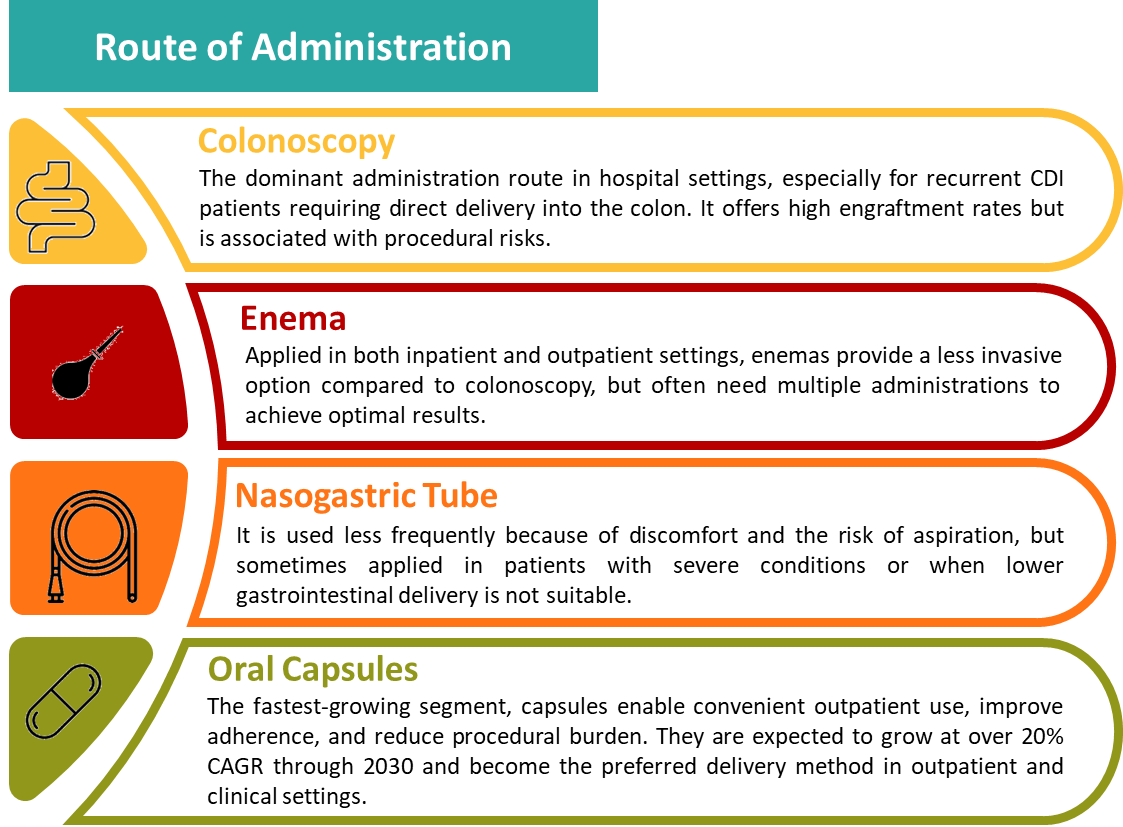
Oral capsules are expected to grow at over 20% CAGR through 2030, becoming the preferred option in outpatient and clinical trial settings.
8.1.3 Target therapeutic area
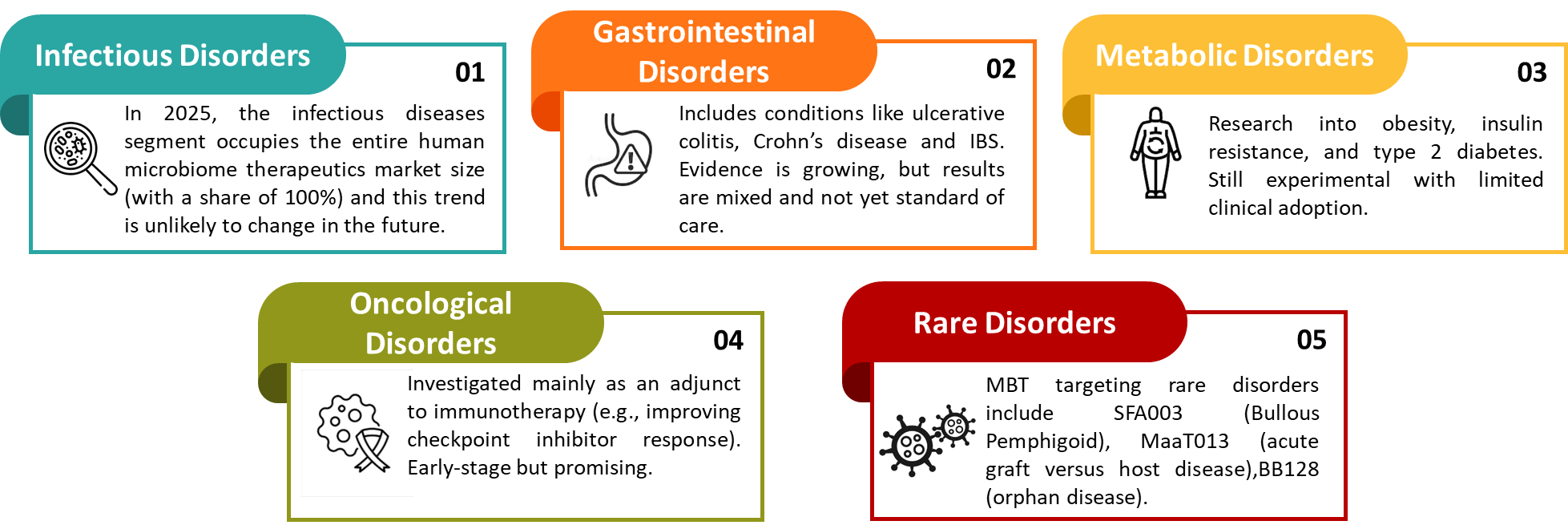
FMT can be used to treat various disorders and each therapeutic area has its own distinct market dynamics shaped by how common the disease is, established treatment guidelines, and evidence from clinical trials.
8.1.4 Geographical region
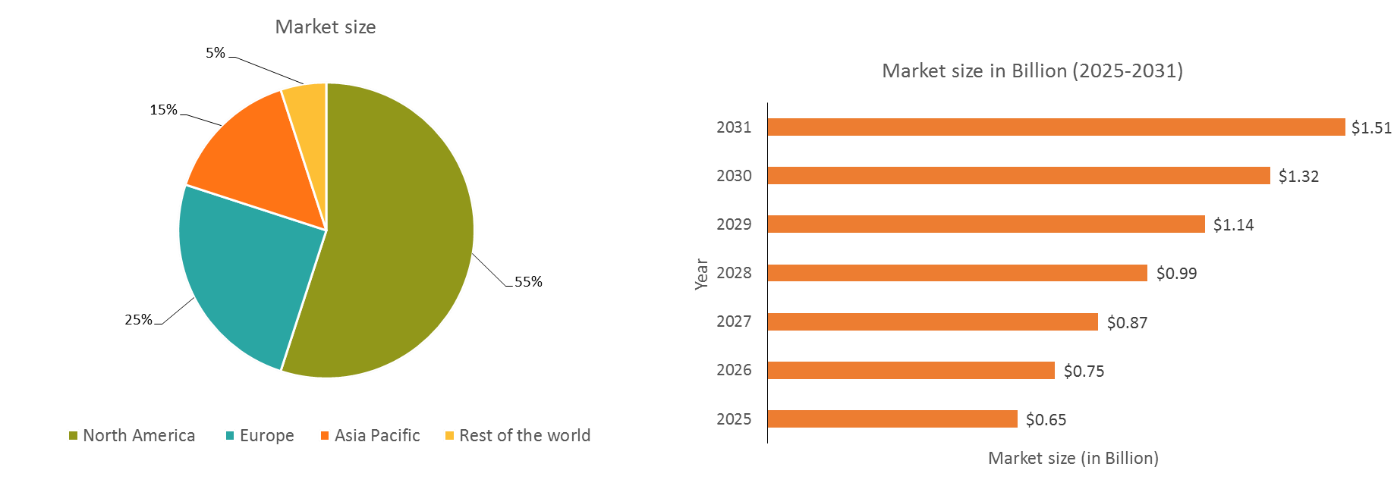
FMT market is growing rapidly cause of greater awareness of gut microbiome’s role in health. Estimated at around $500 million in 2025, it is projected to exceed $2 billion by 2033 with a 15% CAGR. Increasing cases of C. difficile infections, inflammatory bowel disease, other gut disorders are the main reasons why there is a sharp increase.
8.1.5 End user
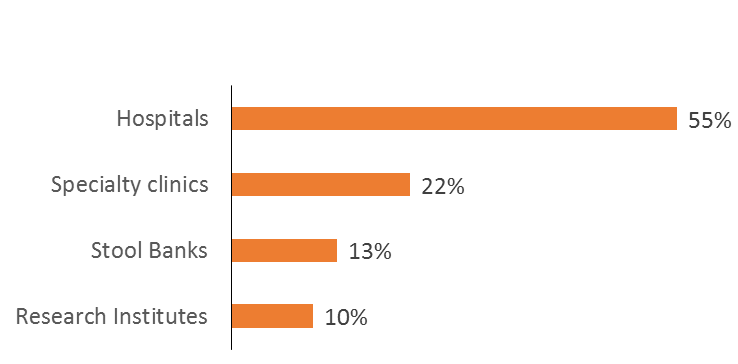
Hospitals act as central hubs for FMT procedures, overseeing donor screening, coordinating preparation and delivery logistics also leading the adoption of new administration protocols.
Specialty Clinics deliver outpatient GI care, using capsule therapies to broaden treatments, cut procedure time and increase patient throughput.
Stool Banks centralize donor recruitment, microbial processing, safety testing and distribution.
Research institutes drive multi-indication innovation and play a key role in validating standardized FMT therapies.
9. Future directions
Microbiome-based therapeutics is set to progress in several key areas. Engineered microbes will improve targeted therapy and disease monitoring. Personalized microbiome treatments will increase effectiveness and reduce variability. Advanced probiotics, synbiotics, and post-biotics will better regulate health and immunity. Microbiome tools will aid cancer therapy, diagnosis, and wider clinical use. Finally, advances in regulation, manufacturing and delivery will be important for advancing these innovations into widespread clinical use.
10. Conclusion
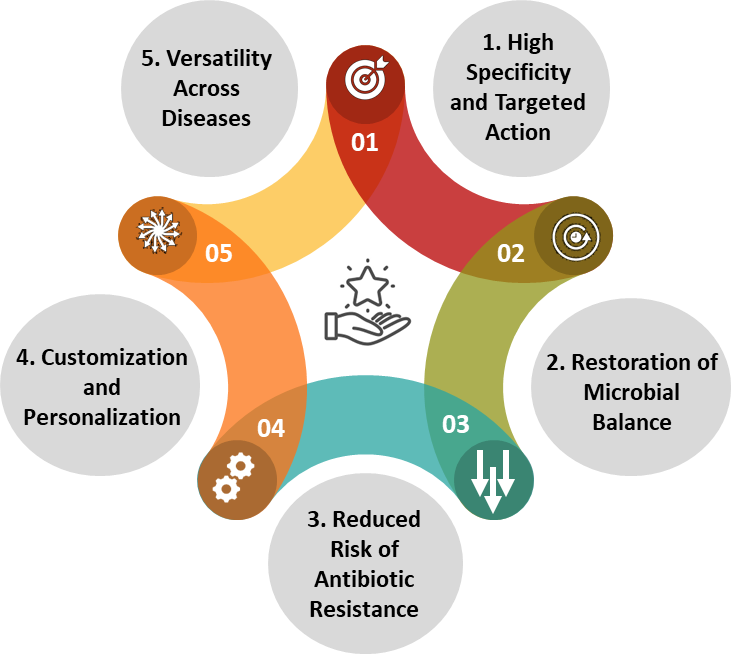
Microbiome-based therapeutics represent a transformative approach to disease prevention and treatment using body’s own microbial ecosystem to restore health. These strategies offer a level of specificity that minimizes inflammation, enhances immune responsiveness and reduces the risk of driving antibiotic resistance. Microbiome based therapies deals with subtractive, additive and modulatory therapy that help in restoring the gut microbiota and aids in treating diseases like cancer, infectious disease and metabolic disorders. Additionally, enhancing engineering approaches to modify a wide range of bacterial hosts, to achieve controllable function of these diagnostic methodologies will improve the stabilization of these therapeutic approaches into the real world.


